
Starting a biochar business requires more than selecting a reactor and securing a biomass supply. Investors must evaluate feedstock characteristics, production capacity, energy consumption, environmental compliance, labor requirements, and the quality of the final product. These factors directly influence operating costs and long-term profitability. Traditional batch pyrolysis systems can present challenges for large-scale operations because each production cycle involves loading, heating, carbonization, cooling, and discharging. Repeated interruptions may reduce equipment utilization, increase manual handling, and consume additional energy during temperature recovery. For businesses processing substantial quantities of agricultural residues, forestry waste, or other biomass resources, these limitations can make it difficult to achieve consistent output and competitive production costs.
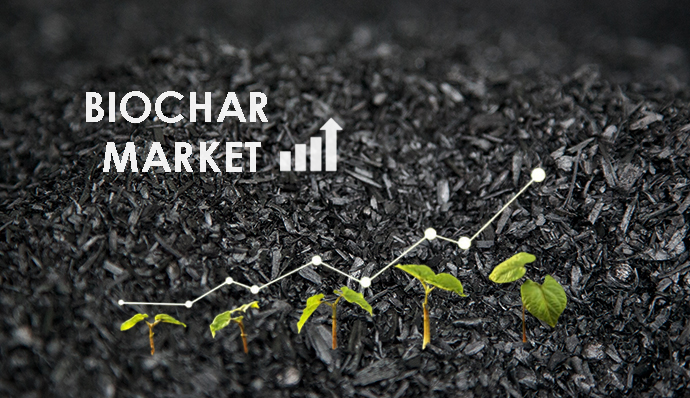
Meanwhile, growing interest in carbon removal, soil improvement, and circular resource utilization is creating opportunities for commercially produced biochar. However, entering this market requires a production system that matches the project’s raw materials, target output, and product specifications. Continuous pyrolysis technology offers an alternative by supporting uninterrupted feeding and discharging under controlled operating conditions. A well-designed production line can improve process stability, reduce routine labor requirements, and recover combustible gases for heating. Understanding the essential equipment, auxiliary systems, and installation requirements is therefore a critical first step toward developing a commercially viable project.
1. Evaluate Feedstock Before Selecting Production Equipment
The first equipment decision should follow a detailed assessment of the available biomass. Feedstock type, moisture content, particle size, ash content, and seasonal availability all affect reactor selection and operating performance. Wood chips, rice husks, coconut shells, and agricultural residues may require different preparation methods and operating parameters. Investors should establish the daily feedstock supply, expected annual operating days, and acceptable variation in raw material quality before determining the required processing capacity.
High moisture content can increase drying energy consumption, while oversized or inconsistent particles may interfere with stable feeding and heat transfer. Depending on the material, the preparation stage may include screening, crushing, drying, and temporary storage. These processes should be incorporated into the overall plant design rather than treated as optional additions after the reactor has been selected.
2. Choose a Suitable Continuous Carbonization System
The central production unit must provide controlled heating, suitable residence time, reliable material movement, and stable discharge conditions. For commercial projects, continuous operation can reduce the downtime associated with repeated batch loading and cooling. Before purchasing equipment, investors should confirm the rated capacity, actual feedstock throughput, operating temperature range, reactor configuration, and expected biochar yield under representative conditions.
Appropriate biochar equipment should also accommodate the intended production scale and future expansion plans. Capacity figures need careful interpretation because feedstock density, moisture, composition, and operating conditions can significantly influence actual throughput. Requesting performance data based on comparable raw materials is more useful than relying exclusively on nominal capacity.
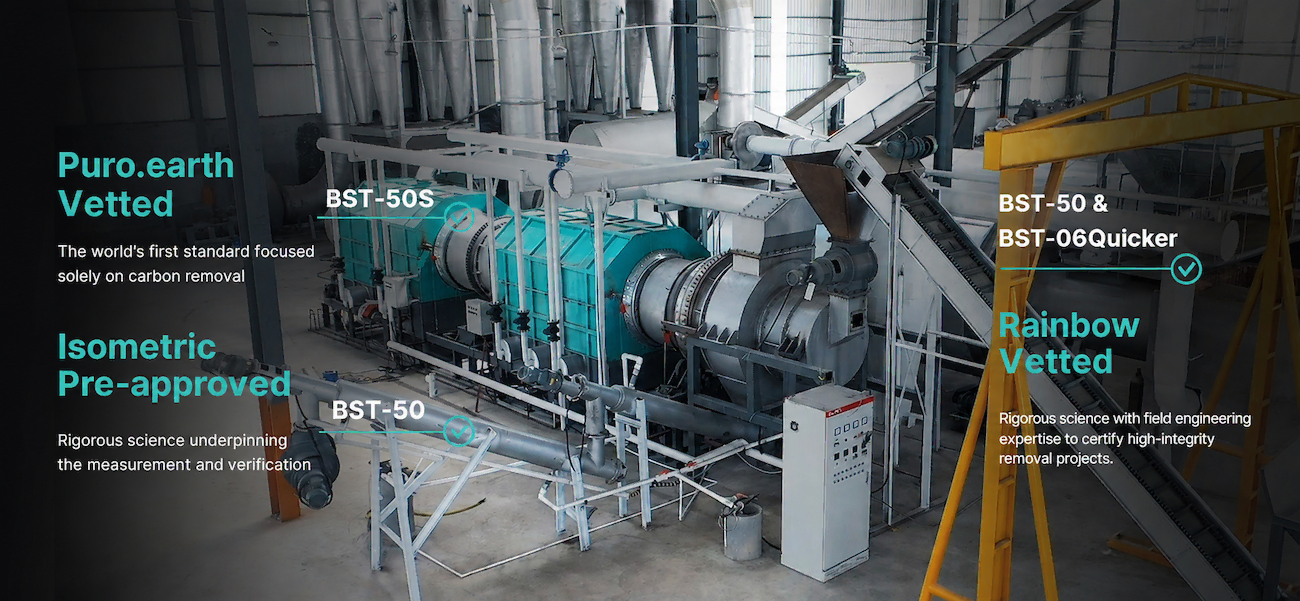
A complete carbonization equipment configuration should integrate feeding, heating, carbonization, cooling, and discharge. Automated temperature monitoring and process controls help maintain operating stability, while appropriate sealing and gas handling arrangements support safer operation. Investors should also assess maintenance access, replacement-part availability, equipment service life, and the supplier’s commissioning support.
3. Include Feedstock Preparation and Biochar Handling Systems
A reactor cannot compensate for every upstream material-handling problem. A commercial installation may therefore require a biomass dryer, crusher, screening equipment, conveyors, storage silos, and a metered feeding system. The final configuration depends on the raw material and the required particle size and moisture content. Equipment sizing should account for peak feedstock delivery rates as well as normal daily production.
Downstream handling is equally important. Depending on the intended application, the plant may need a sealed cooling conveyor, biochar storage bins, screening equipment, grinding machinery, or a packaging system. Biochar should be cooled appropriately before storage and handled with suitable dust-control measures. These provisions help reduce product losses, improve workplace conditions, and maintain consistent quality throughout the production process.
4. Plan Energy Recovery and Environmental Protection
Energy consumption is a major operating consideration for any thermal processing facility. During carbonization, biomass generates combustible gases that may be treated and reused as a heat source when the system is properly designed. A suitable gas collection and combustion arrangement can reduce dependence on external fuel after startup, although actual energy performance depends on feedstock moisture, operating conditions, and equipment configuration.
Environmental control systems must be selected according to the process design, applicable emission limits, and local permitting requirements. Depending on the installation, these systems may include gas combustion equipment, dust collection, exhaust treatment, monitoring instruments, and appropriate ventilation. Investors should obtain emissions estimates and treatment specifications from the supplier and verify them against local regulatory requirements before commissioning.
5. Assess Automation, Utilities, and Site Infrastructure
Automation helps coordinate feeding rates, reactor temperatures, gas handling, alarms, and other critical operating parameters. A suitable control system can reduce routine manual intervention and make operating records easier to maintain. When comparing a charcoal machine with alternative configurations, investors should examine its control functions, safety interlocks, maintenance requirements, and compatibility with the proposed production line.
Site planning must also cover electrical supply, fuel for startup, water requirements where applicable, foundations, equipment access, fire protection, and storage areas. Adequate space is needed for biomass delivery, finished-product handling, maintenance, and safe vehicle movement. A layout review before installation can help avoid costly modifications and operational bottlenecks.
6. Calculate Project Costs and Select a Qualified Supplier
The initial investment includes more than the main reactor. A realistic budget should cover preparation and handling equipment, environmental systems, installation, civil works, utilities, labor, maintenance, spare parts, and commissioning. Operating-cost calculations should incorporate feedstock procurement, electricity, startup fuel, transportation, packaging, and waste management. Revenue assumptions should reflect the expected product quality, local demand, sales channels, and any applicable biochar certification or carbon removal verification requirements.
Before signing a purchase agreement, investors should request a detailed equipment list, process flow diagram, capacity calculations, utility consumption estimates, warranty terms, and commissioning plan. Reviewing previous project experience and the supplier’s technical support capabilities can further reduce implementation risks. For example, Beston Group provides information about its background and industrial processing solutions that prospective buyers can review during supplier evaluation.
Conclusion
Launching a biochar business successfully requires an integrated approach to feedstock preparation, continuous carbonization, material handling, energy recovery, emission control, and automated operation. Continuous pyrolysis technology can support higher equipment utilization and more consistent production when matched with suitable raw materials and properly designed auxiliary systems. By evaluating actual throughput, product specifications, environmental obligations, and total lifecycle costs before purchasing machinery, investors can build a more reliable foundation for commercial production and long-term business development.

