
In recent years, the demand for sustainable energy solutions has reached unprecedented levels. As industries and governments seek ways to reduce carbon footprints and mitigate environmental damage, the role of charcoal production through pyrolysis has gained prominence. Charcoal making machines, such as biochar machines and carbonization furnaces, are at the forefront of this shift towards cleaner, greener energy sources. These machines utilize advanced technologies to convert organic materials into valuable bioenergy, offering a practical alternative to traditional fossil fuels.
The Technology Behind Charcoal Production
At the heart of the process is the conversion of biomass into charcoal through pyrolysis. Pyrolysis involves the thermal decomposition of organic materials in the absence of oxygen, a process that occurs in specialized equipment such as a wood pyrolysis plant. The biomass—such as wood, agricultural waste, or other plant materials—is heated to high temperatures, breaking it down into charcoal, bio-oil, and syngas. The resulting biochar can be used as a renewable energy source, while the by-products can be further processed for various applications.
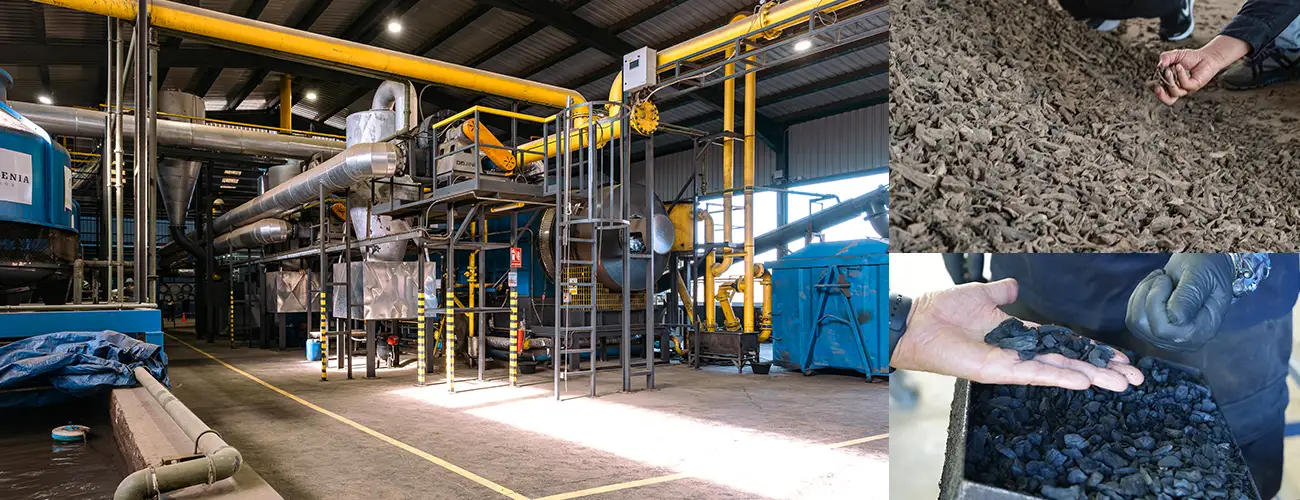
Role of Biomass Pyrolysis Plants
Biomass pyrolysis plant plays a critical role in the production of high-quality biochar. These plants are designed to handle large quantities of raw organic material, transforming it into sustainable products. The process not only helps in reducing waste but also provides an alternative to the environmentally harmful practices of traditional charcoal production, which often involves deforestation and harmful emissions. The output of these plants can be used in various industries, including agriculture, where biochar is highly valued for its soil-enhancing properties.
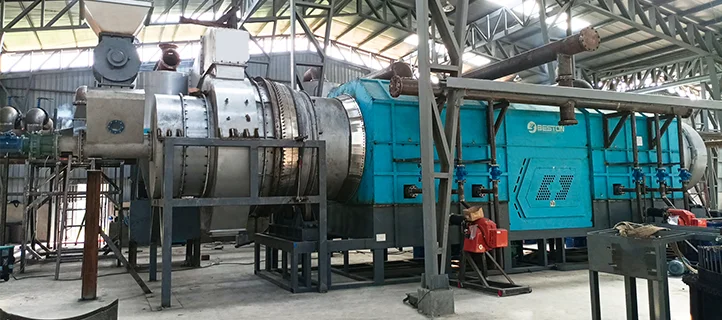
Advantages of Using Charcoal Making Machines
Charcoal making machines are increasingly being recognized for their eco-friendly capabilities. Unlike conventional methods of charcoal production, which rely on unsustainable logging and inefficient burning processes, modern pyrolysis technology minimizes waste and ensures maximum energy efficiency. The biochar produced is a valuable resource, not only as a fuel but also for its potential in carbon sequestration. By capturing carbon in a stable form, biochar helps mitigate climate change, offering a natural way to reduce atmospheric CO2 levels.
Additionally, the carbonization furnace plays a vital role in optimizing the efficiency of the process. These furnaces are engineered to handle different types of biomass, ensuring that the carbonization process is both thorough and efficient. As a result, they provide a reliable and scalable solution for industries seeking to incorporate sustainable energy practices into their operations.
The Role of a Biochar Machine Manufacturer
As the demand for greener alternatives continues to rise, biochar machine manufacturers are playing an essential role in developing and producing innovative technologies. These manufacturers design and build machines that are tailored to meet the specific needs of various industries, from agriculture to energy production. By focusing on increasing efficiency, durability, and ease of operation, manufacturers contribute significantly to the transition towards renewable energy sources.
In conclusion, the charcoal making process, facilitated by advanced machines like biomass pyrolysis plants and carbonization furnaces, is an essential step in the global move towards more sustainable energy solutions. These machines provide a method of converting waste into a valuable resource, reducing environmental impact while supporting the creation of cleaner, greener energy alternatives. As the industry continues to evolve, the role of biochar machine manufacturers will be crucial in driving forward this transformative shift.

